


The India-China Conflict refers to the ongoing geopolitical and border disputes between India and China, primarily focused along the Line of Actual Control (LAC), which serves as the de facto border between the two countries. The conflict is marked by historical tensions, competing territorial claims, and military standoffs that date back to the Sino-Indian War of 1962, when China seized control of the Aksai Chin region, a territory claimed by India.
The border disputes have persisted for decades, with skirmishes and stand-offs occurring intermittently. Key areas of tension include Ladakh in the western sector, Sikkim in the middle sector, and Arunachal Pradesh in the eastern sector. In recent years, tensions have escalated, particularly with the Doklam standoff in 2017 and the violent clashes in the Galwan Valley in June 2020, resulting in casualties on both sides. The Galwan clash marked the first deadly confrontation between the two nations in over 45 years, leading to heightened military deployments along the border.
Diplomatic talks, including the Working Mechanism for Consultation and Coordination (WMCC) and Corps Commander-level meetings, have been conducted to de-escalate tensions, with mixed outcomes. Both countries have also sought to maintain a balance between diplomatic engagement and military preparedness. Despite multiple rounds of negotiations, the situation remains volatile, with continued infrastructure development, patrolling, and military fortification along the LAC.
The India-China conflict has also been a hotspot for misinformation, with social media often becoming a platform for spreading misleading narratives about military actions, territorial claims, and diplomatic developments. Fact-checking organizations play a crucial role in verifying claims and maintaining accurate information flow about the conflict.
In June 2020, BOOM fact-checked a viral tweet that purported to show official statements about the Ladakh standoff.
BOOM found several anomalies in the tweet screenshot, confirming that it was morphed and did not represent an official statement, debunking the misleading narrative related to the conflict.
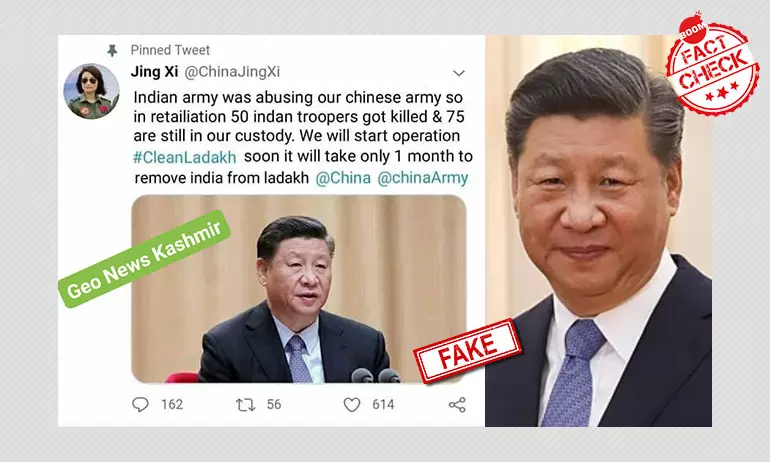
India-China Clash: Fake Tweet Screenshot On Ladakh Goes Viral
- By Anmol Alphonso | 17 Jun 2020 10:11 PM IST
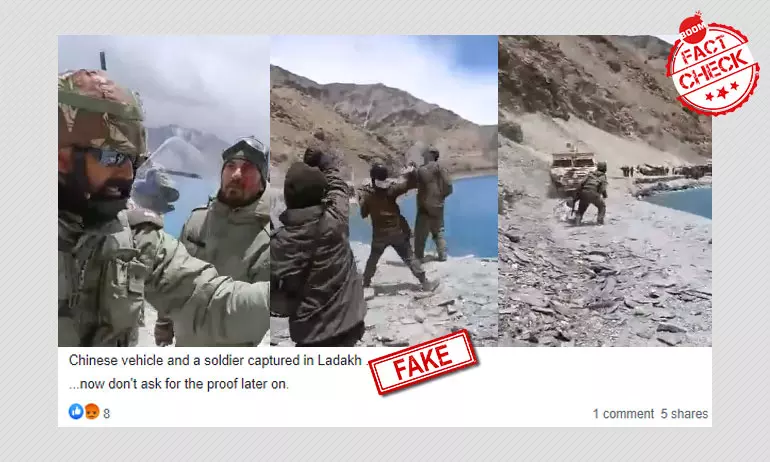
Undated Video Viral As Recent India-China Clash At Galwan Valley, Ladakh
- By Nivedita Niranjankumar | 18 Jun 2020 5:45 PM IST
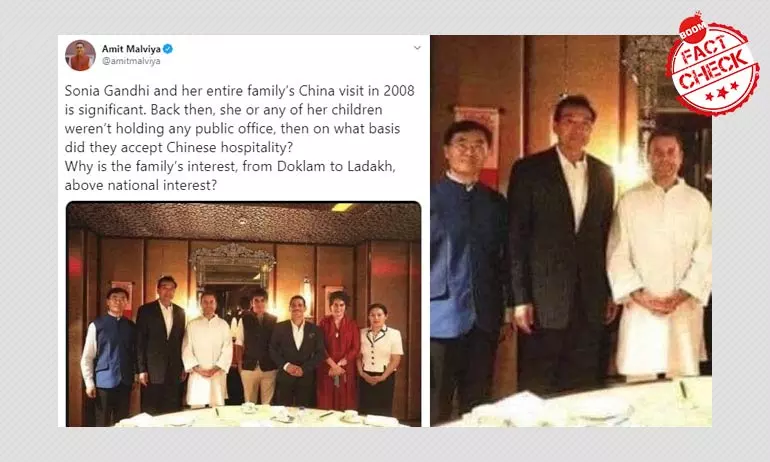
BJP IT Cell Head Amit Malviya Peddles 2017 Pic As Gandhis' 2008 China Visit
- By Anmol Alphonso | 19 Jun 2020 3:36 PM IST
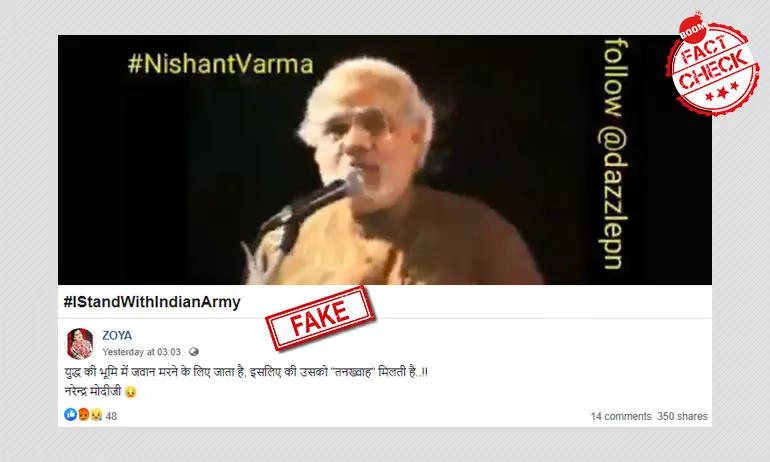
Dated Clip Of PM Modi Talking About Soldiers Dying Is Cropped
- By Sumit Usha | 20 Jun 2020 1:00 PM IST
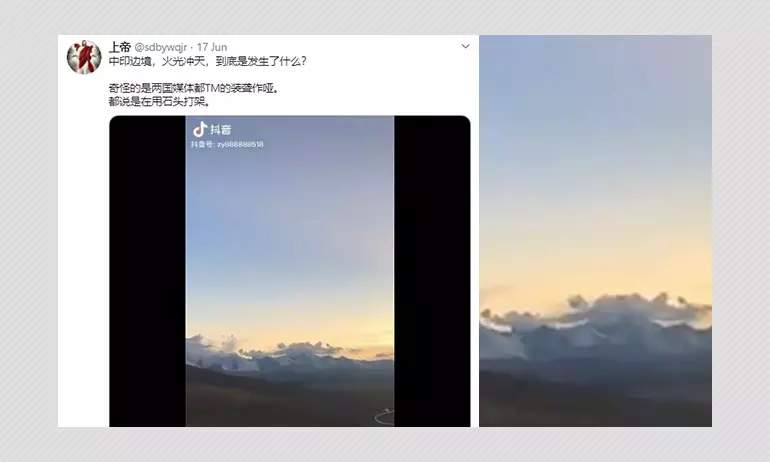
This Video Has Nothing To Do With The India-China Clash In Galwan Valley
- By AFP | 22 Jun 2020 6:50 PM IST
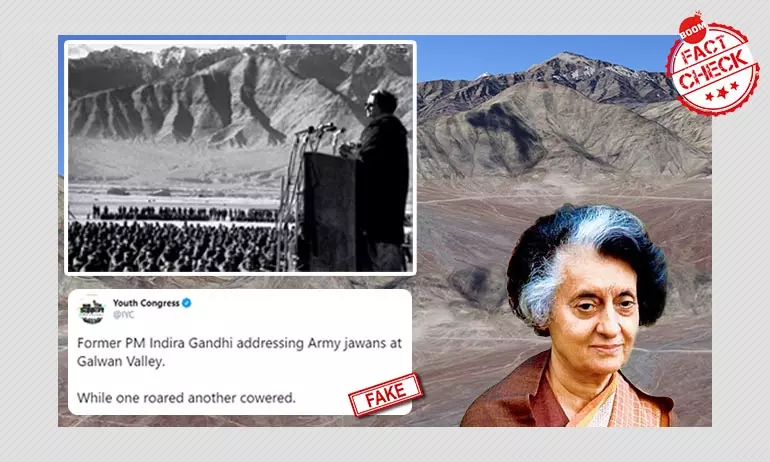
Photo Of Indira Gandhi Addressing Army Jawans At Galwan Valley? Not Quite
- By Sumit Usha | 22 Jun 2020 8:11 PM IST
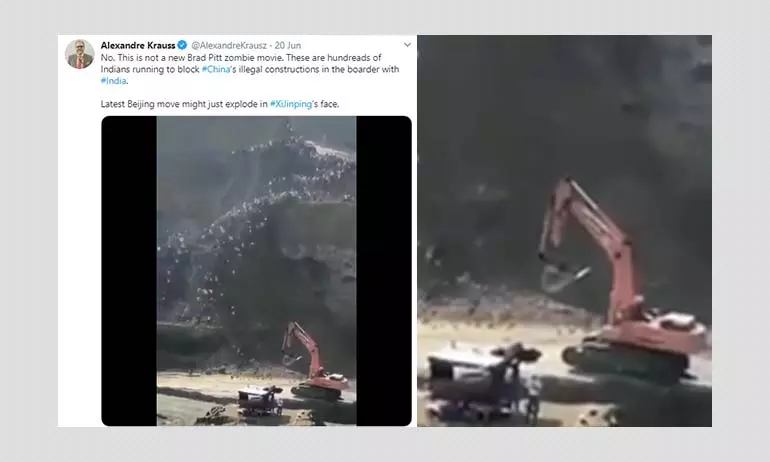
Video From Myanmar Jade Mine Shared With Galwan Valley Clash Claim
- By AFP | 26 Jun 2020 5:54 PM IST
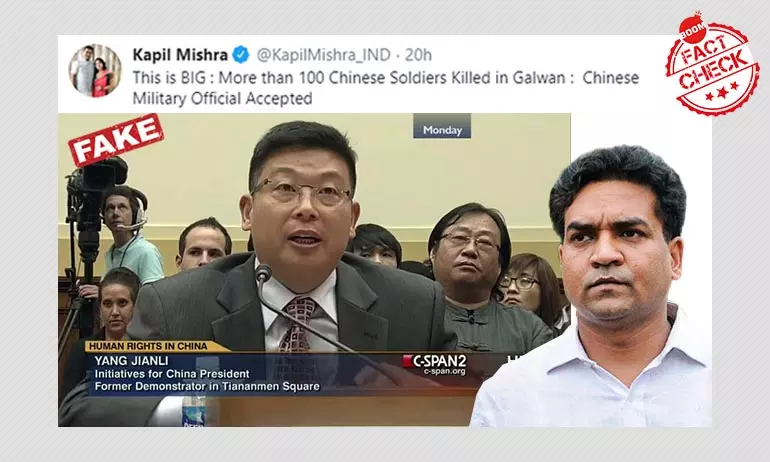
No, Jianli Yang Did Not Say More Than 100 Chinese Soldiers Died In Galwan
- By Nivedita Niranjankumar | 7 July 2020 1:31 PM IST
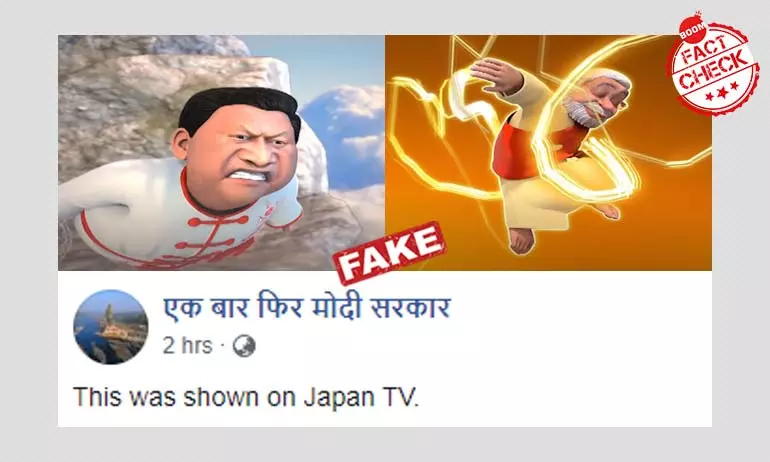
India Today Cartoon On Modi-Xi Kung Fu Gets Fake News Spin
- By Anmol Alphonso | 8 July 2020 4:57 PM IST
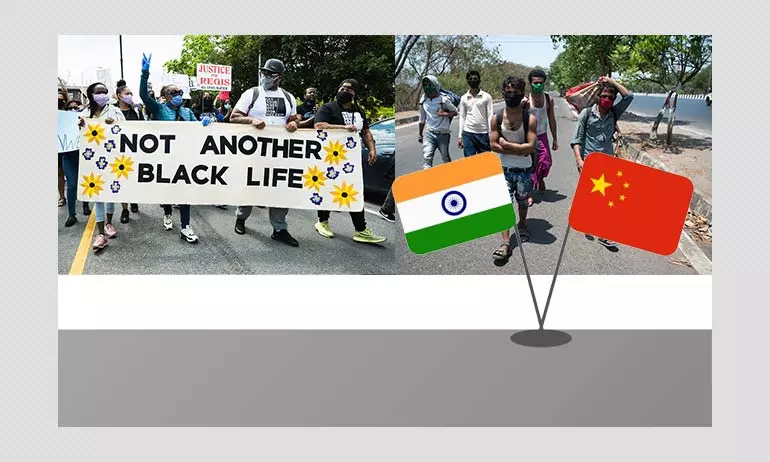
Sushant Singh To China, How Fake News Makers Switched Gears In Hours
- By Archis Chowdhury | 14 July 2020 3:28 PM IST
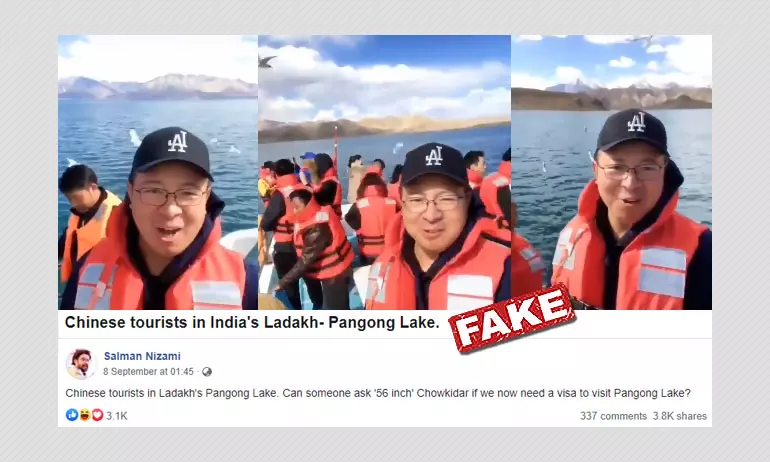
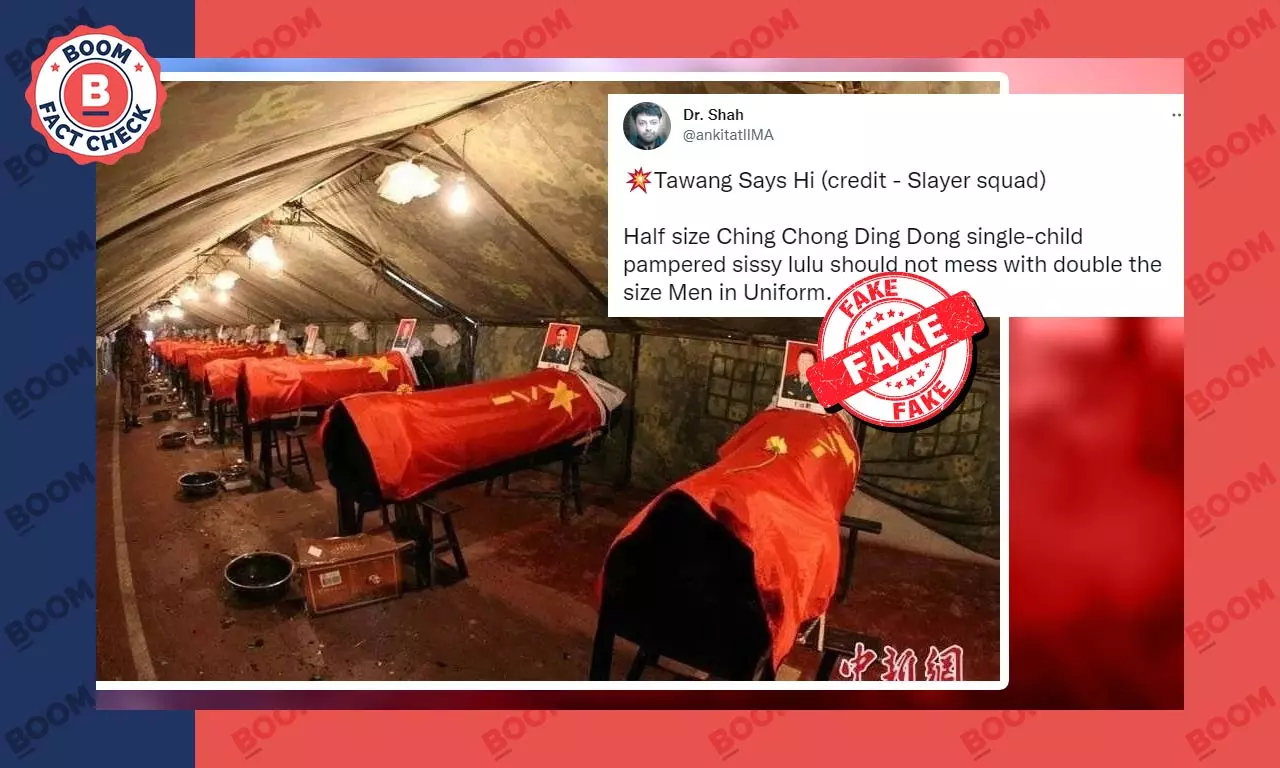
2010 Photo Viral As Coffins Of Chinese Soldiers 'Killed' In Tawang Clash
- By Hazel Gandhi | 16 Dec 2022 1:32 PM IST
