


WhatsApp is a popular messaging application owned by Meta Platforms (formerly Facebook), widely used for personal and group communication. Launched in 2009, it allows users to send text messages, voice messages, images, videos, and documents, as well as make voice and video calls. It is one of the most commonly used apps globally, with over 2 billion users as of 2024, making it a significant platform for communication in countries like India, Brazil, and Indonesia.
While WhatsApp is primarily known for its end-to-end encrypted messaging, it has also become a key channel for spreading misinformation. Due to its private nature, false claims, fake news, manipulated images, and misleading videos often go viral before being debunked. During elections, pandemics, and significant political events, misinformation on WhatsApp can influence public sentiment and decision-making.
What India’s SIM-Binding Mandate Means For Your Private Communication
- By Hera Rizwan | 12 Dec 2025 3:03 PM IST
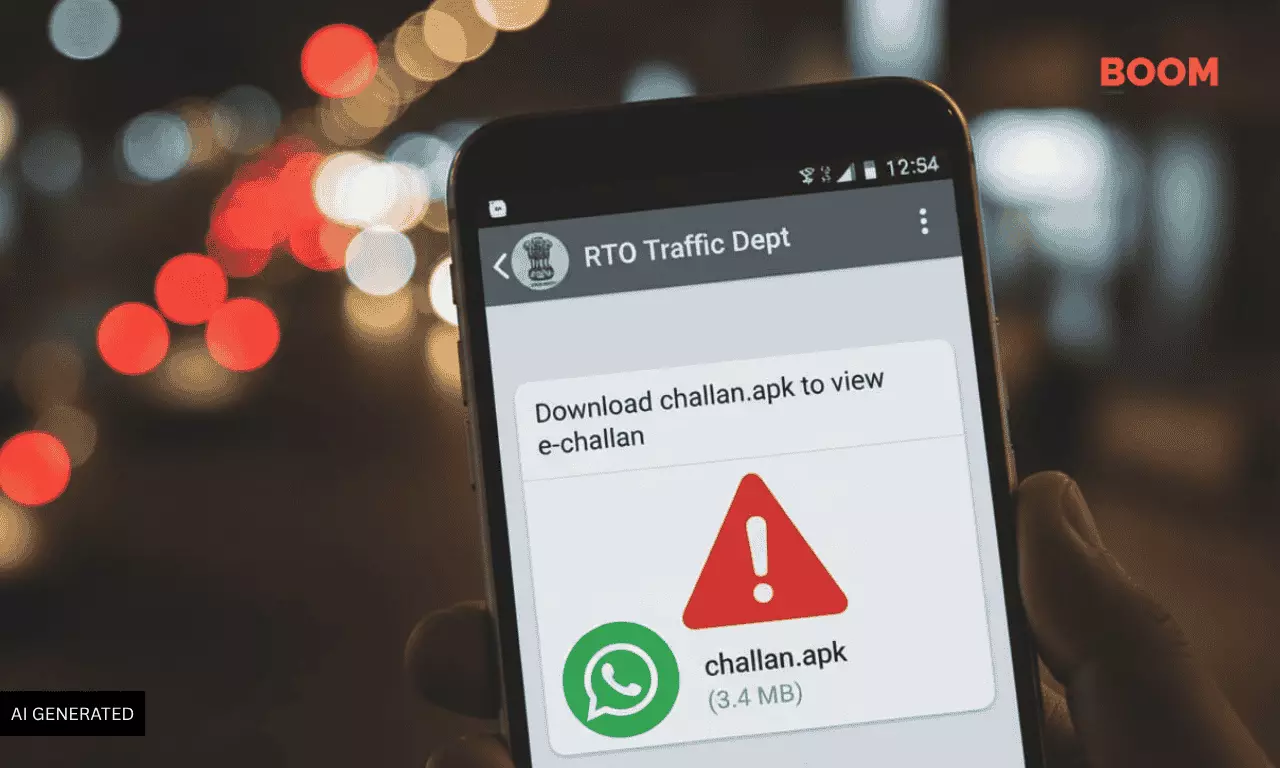
Fake “RTO e-Challan” Message On WhatsApp: A Growing APK Scam
- By Titha Ghosh | 5 Nov 2025 5:46 PM IST
Could Meta Lose Instagram and WhatsApp? What the Antitrust Trial Means
- By Reuters | 15 April 2025 1:52 PM IST
