



TikTok is a widely recognized video-sharing social media app that revolutionized short-form video content. Launched internationally in 2018 by the Chinese tech giant ByteDance, TikTok emerged from the merger of Musical.ly, a similar video app. With its 15 to 60-second videos, TikTok became a cultural phenomenon, attracting billions of users globally and changing how people consume and create video content. Its popularity stems from its ability to blend creativity, music, memes, challenges, and trends into one engaging platform. The app’s sophisticated algorithm analyzes user behavior and curates a personalized “For You” feed, making it addictive and interactive.
TikTok has become a platform where influencers, creators, businesses, and even politicians connect with audiences. It is especially popular among Gen Z and millennials, offering viral trends ranging from dance routines to educational content, DIY hacks, and comedic sketches. Additionally, TikTok has shaped global music trends, making songs go viral, impacting streaming charts, and even reviving older tracks. The app's influence extends to major global events, making it a pivotal platform for political campaigns, activism, and brand marketing.
In India, TikTok amassed over 200 million users by early 2020, becoming one of the most downloaded apps in the country. It was a key space for regional language creators, offering content in Hindi, Tamil, Telugu, Punjabi, and many other Indian languages. TikTok had democratized content creation in India, enabling people from small towns and rural areas to become viral sensations. However, in June 2020, India banned TikTok along with 58 other Chinese apps, citing concerns over data privacy and national security amid rising geopolitical tensions with China. The ban marked a significant setback for TikTok's global presence, but similar video formats like Instagram Reels, YouTube Shorts, and Moj gained prominence in the Indian market to fill the void left by TikTok.
In September 2020, a misleading video on TikTok claimed that a fountain could be powered specifically by chanting 'Om'.
BOOM's investigation revealed that the fountain in question was activated by sound vibrations and could respond to any sound, not just 'Om'. This finding highlighted the rapid spread of misinformation on platforms like TikTok, emphasizing the need for consistent fact-checking and responsible content sharing.
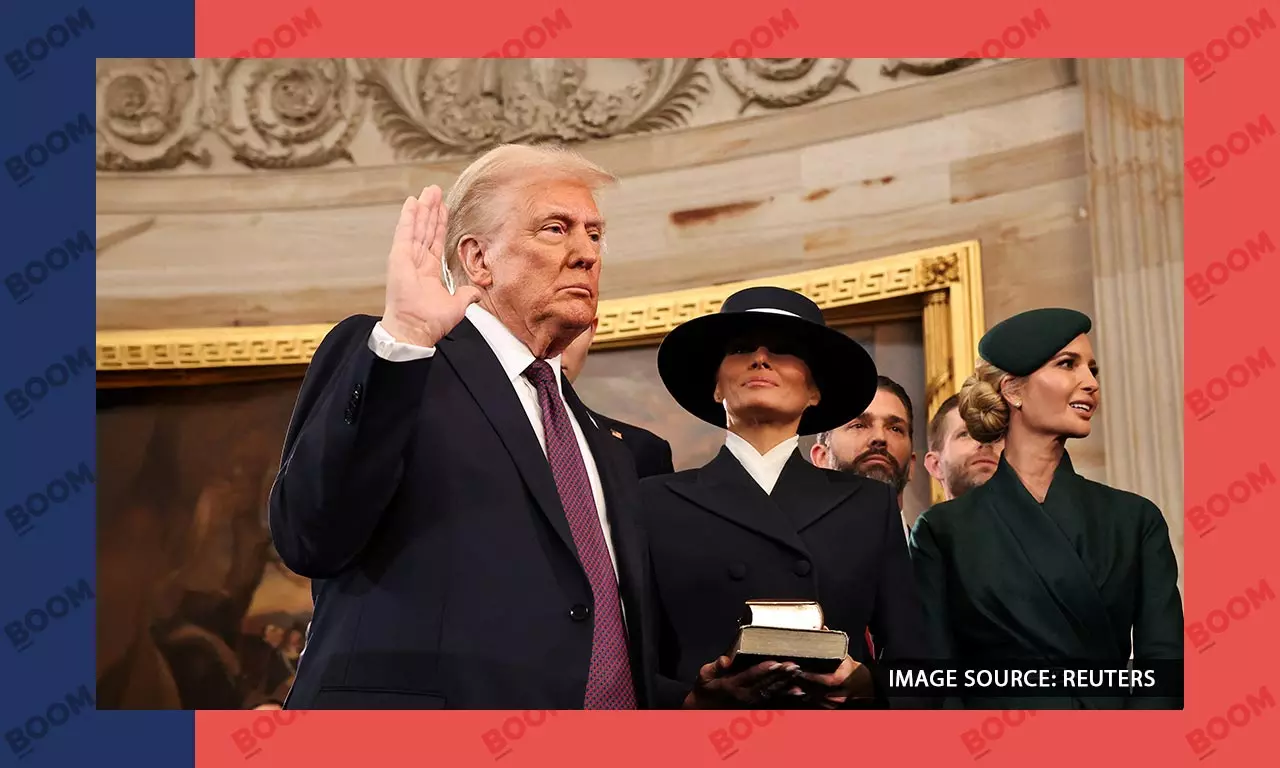
Can Trump’s Executive Orders Really Drive Lasting Change?
- By The Conversation | 21 Jan 2025 2:49 PM IST
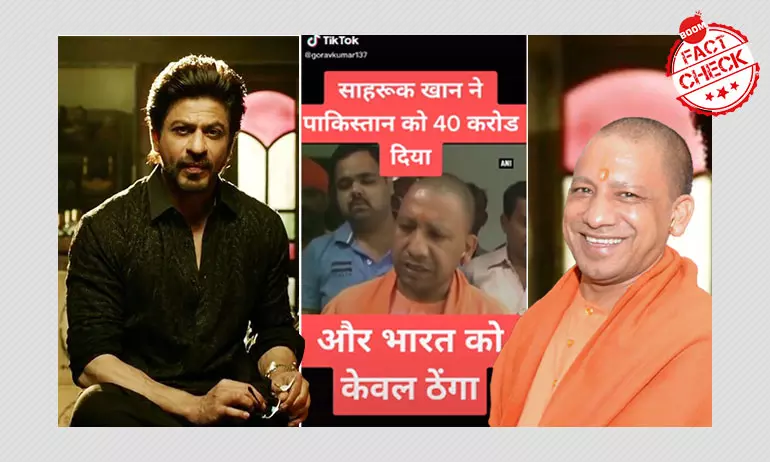
2015 Video Of Yogi Criticising Shah Rukh Khan Revived With False Claim
- By Anmol Alphonso | 3 April 2020 4:09 PM IST
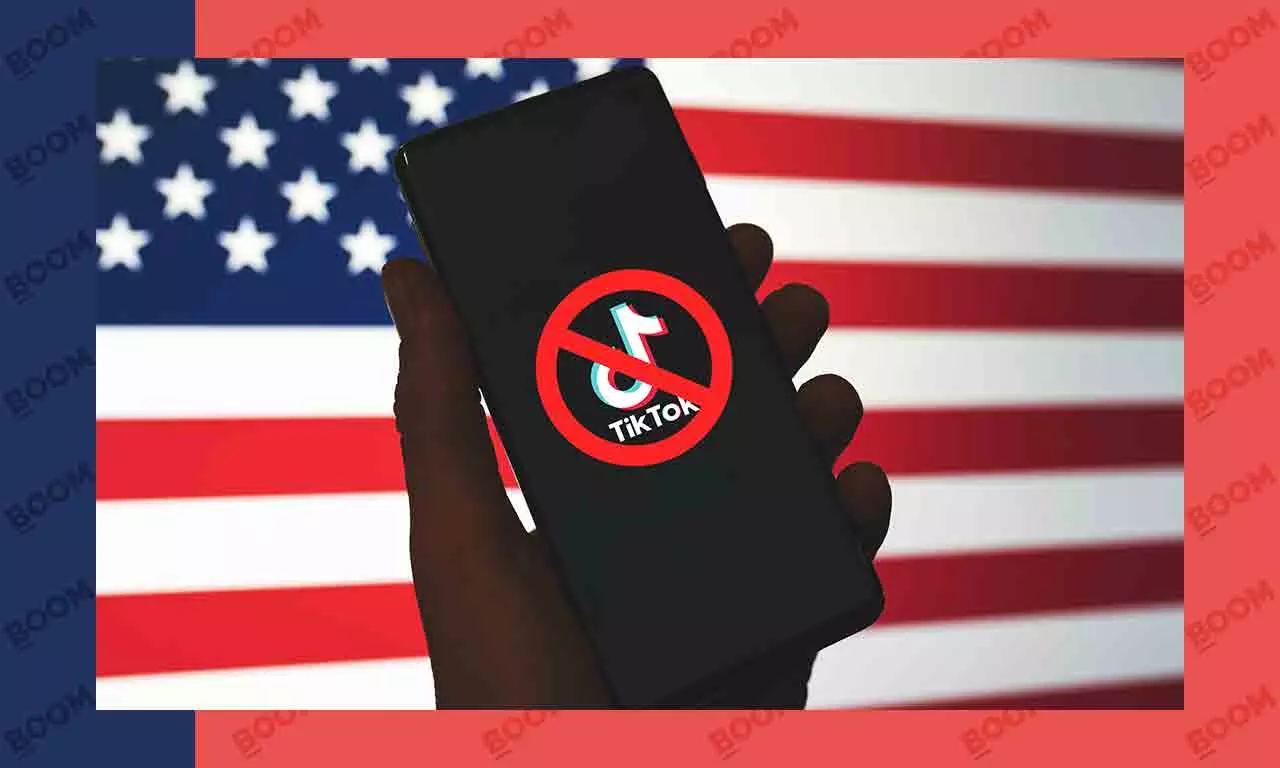
There's A Conspiracy Theory On US Proposing TikTok Ban: Palestine
- By Hera Rizwan | 15 March 2024 11:40 AM IST
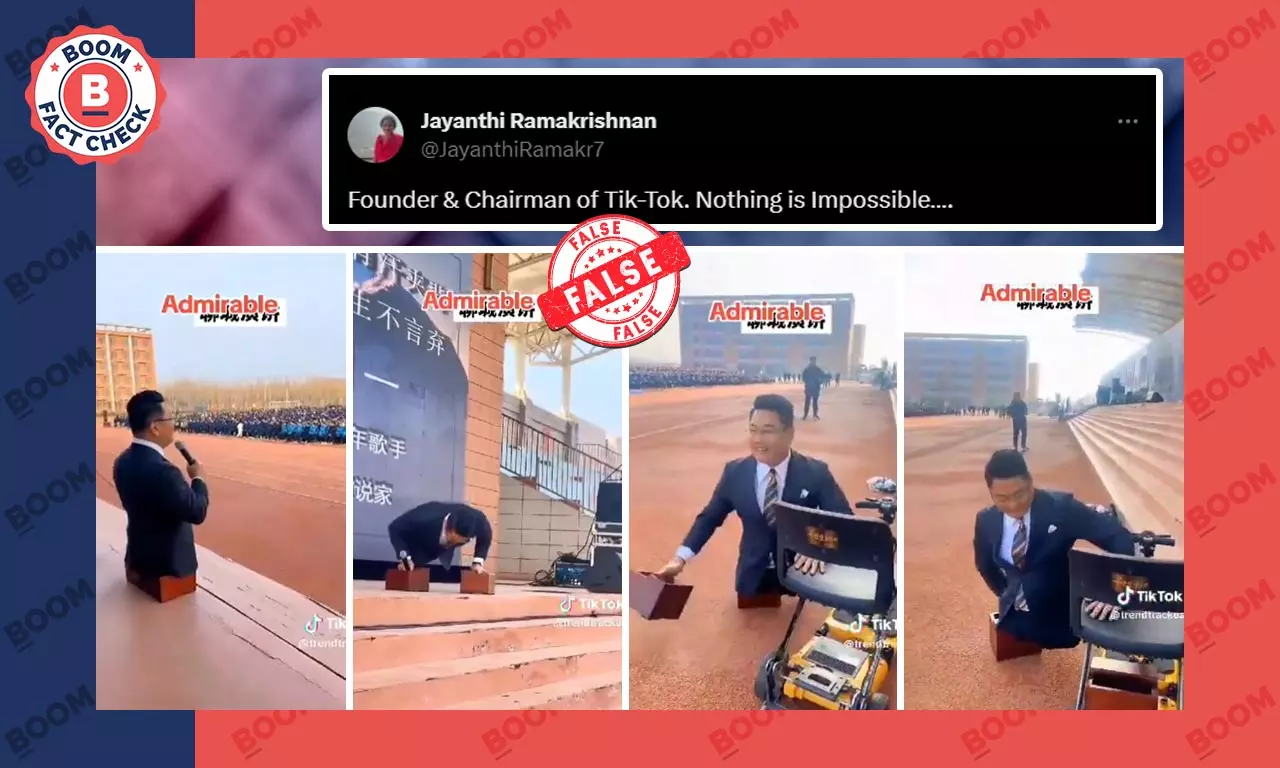
Video Of Specially Abled Man Falsely Shared As TikTok Founder
- By Srijit Das | 1 Feb 2024 3:43 PM IST

No, This Video Does Not Show Dubai Prince Celebrating Indian Independence Day
- By Hazel Gandhi | 18 Aug 2023 4:32 PM IST
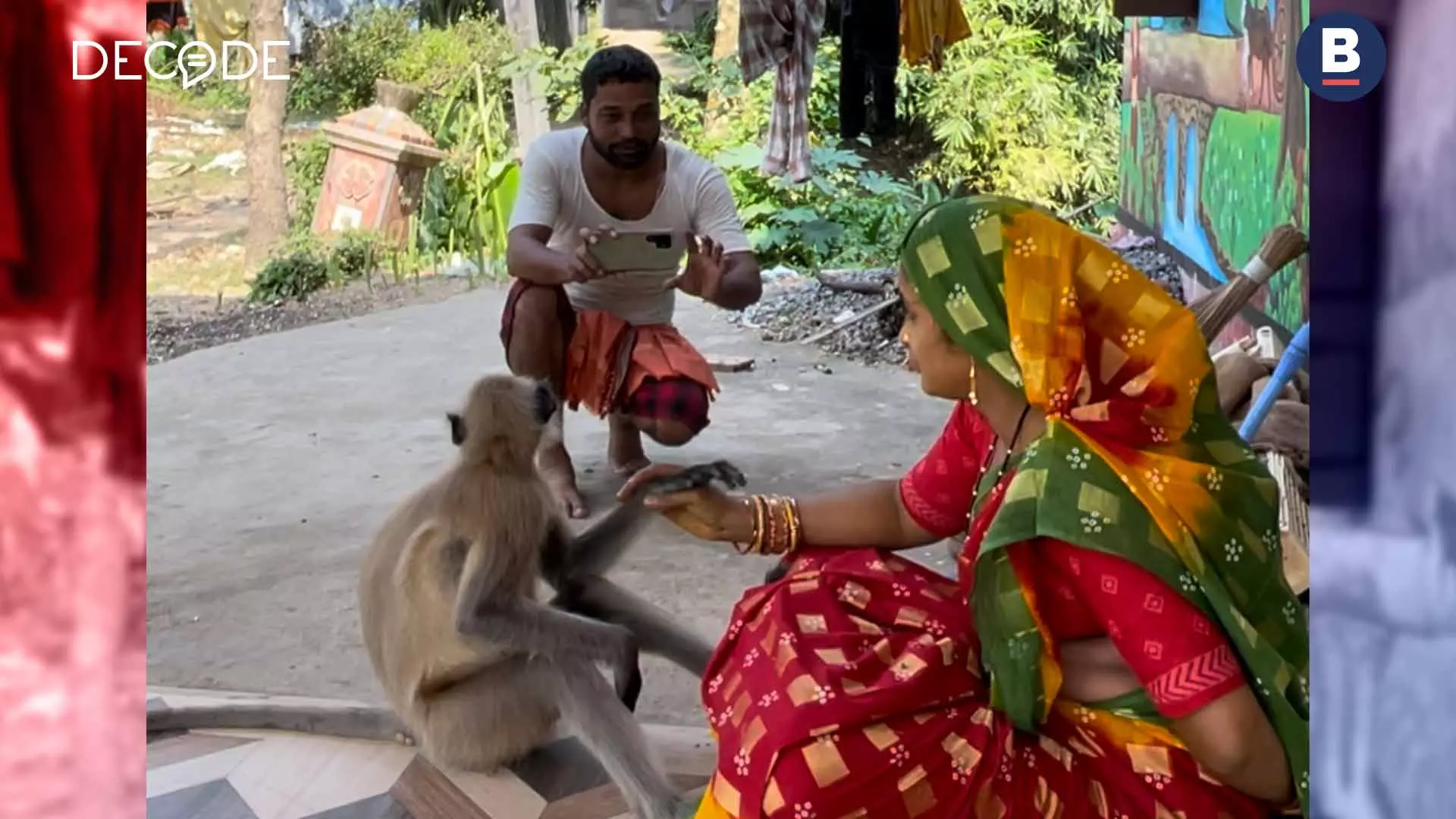
An Odisha Village Couple Was Hit With FIRs Over Their 'Viral' Pet Monkeys
- By Alisha Dutta | 25 Nov 2022 11:08 AM IST
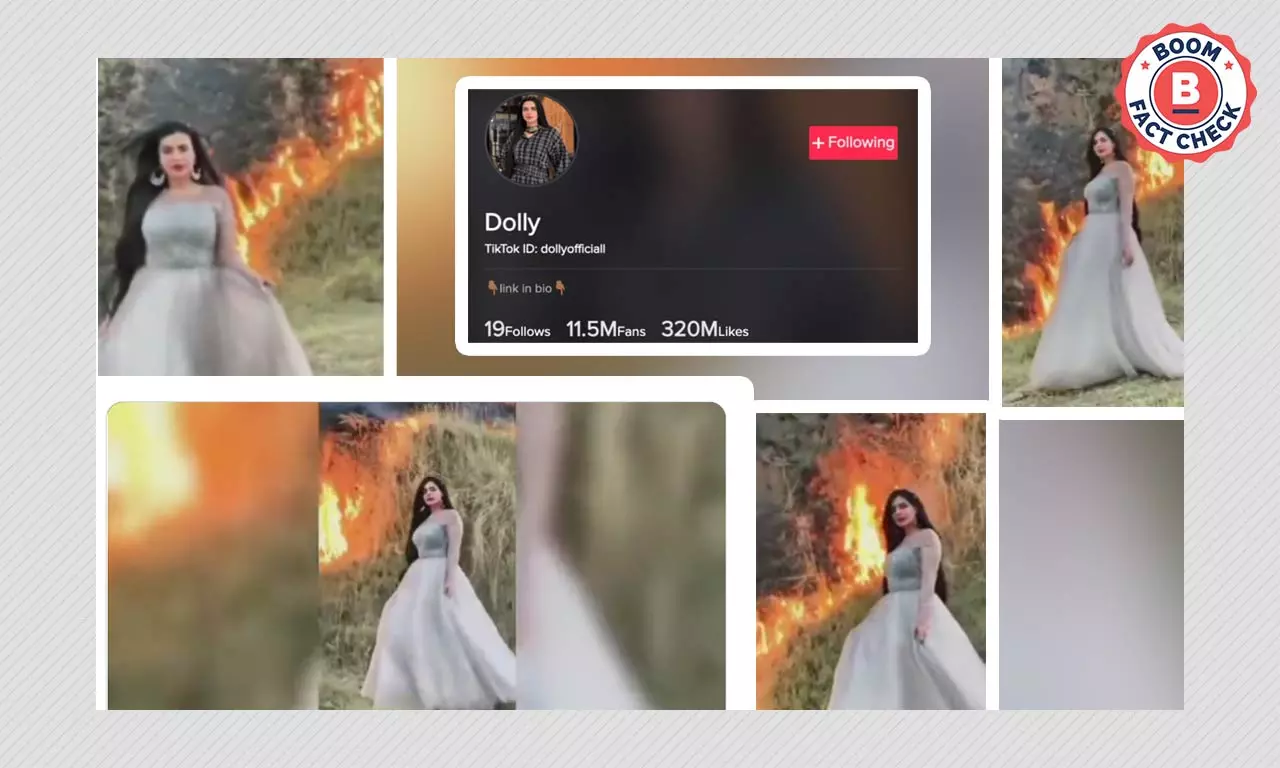
Pak TikToker Dolly Under Fire For Shooting 'Forest Fire' Video
- By Archis Chowdhury | 19 May 2022 1:11 PM IST
