


LGBTQIA is an acronym that stands for Lesbian, Gay, Bisexual, Transgender, Queer or Questioning, Intersex, and Asexual or Ally. The term is used to represent a broad spectrum of sexual orientations and gender identities. Here's a brief overview of each component:
Lesbian (L): Refers to women who are emotionally, romantically, or sexually attracted to other women.
Gay (G): Refers to men who are emotionally, romantically, or sexually attracted to other men. It is also sometimes used as a general term for anyone attracted to the same sex.
Bisexual (B): Refers to individuals who are emotionally, romantically, or sexually attracted to more than one gender.
Transgender (T): Refers to individuals whose gender identity differs from the sex they were assigned at birth.
Queer or Questioning (Q): "Queer" is an umbrella term used by some to describe non-normative sexual and gender identities. "Questioning" refers to individuals who are exploring their sexual orientation or gender identity.
Intersex (I): Refers to individuals who are born with physical sex characteristics that do not fit typical definitions of male or female bodies.
Asexual or Ally (A): "Asexual" refers to individuals who experience little or no sexual attraction to others. "Ally" refers to individuals who support and advocate for the rights of LGBTQIA people.
The term LGBTQIA is inclusive and recognizes the diversity within the community, emphasizing the importance of acknowledging and respecting each identity. The addition of "IA" in recent years reflects a growing awareness of the specific needs and challenges faced by intersex and asexual people.
Indian law has made significant strides in recognizing LGBTQIA rights, most notably with the decriminalization of homosexuality through the 2018 Supreme Court judgment in Navtej Singh Johar v. Union of India, which struck down Section 377 of the Indian Penal Code. Despite this progress, challenges remain, as legal protections against discrimination based on sexual orientation and gender identity are still limited, and same-sex marriage is not yet recognized in India. Advocacy continues for broader legal reforms to ensure full equality and rights for the LGBTQIA community in India.
In June 2023, BOOM investigated social media posts that falsely claimed a church fire in Massachusetts was linked to a gay wedding taking place at the time.
BOOM found that the fire occurred due to natural causes and that no gay marriage was happening in the church during the incident. The claims were baseless and misleading
Love Vs Law: Fight For Marriage Equality Rights Not Over, Queer Community Says
- By Ritika Jain | 12 Jan 2025 10:39 AM IST
19-year-old Trixie’s Fight Against Conversion Therapy | Watch Video
- By Kirti Rawat | 11 Aug 2023 5:30 PM IST
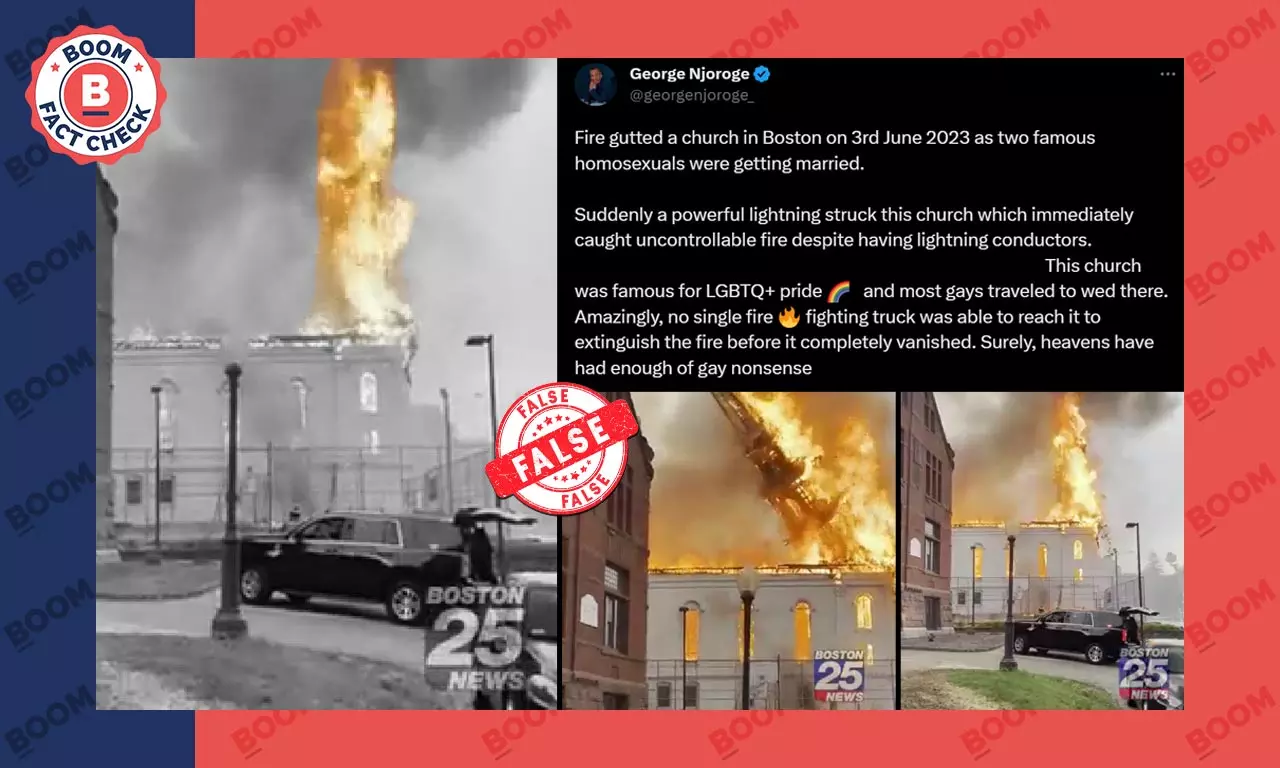
Social Media Posts Linking Massachusetts Church Fire To Gay Wedding Are False
- By Hazel Gandhi | 12 Jun 2023 4:50 PM IST
Some Rights, But No Legal Recognition Of Marriage to LGBTQIA+: Centre to SC
- By Ritika Jain | 3 May 2023 1:31 PM IST
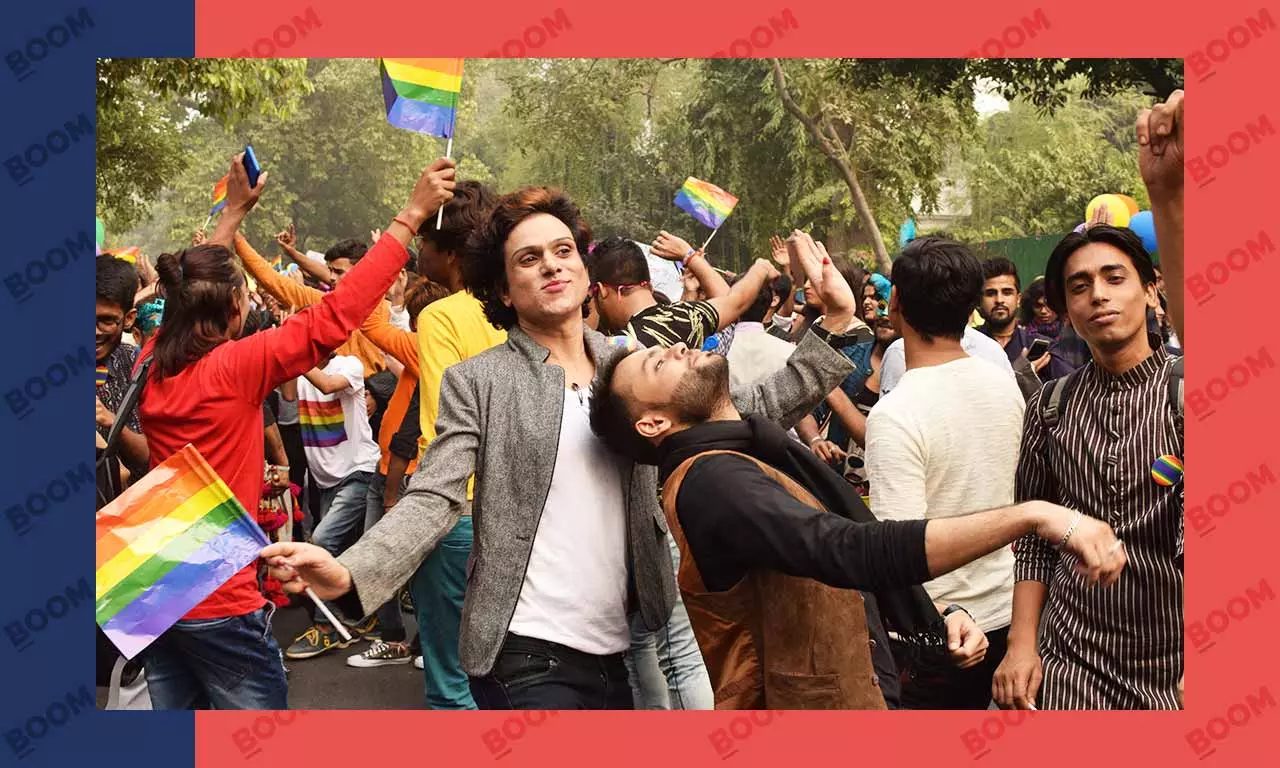
Why Is Same-Sex Marriage A Wrong Term? This Is What The Petitioners Say
- By Riddhi Dastidar | 25 April 2023 12:55 PM IST
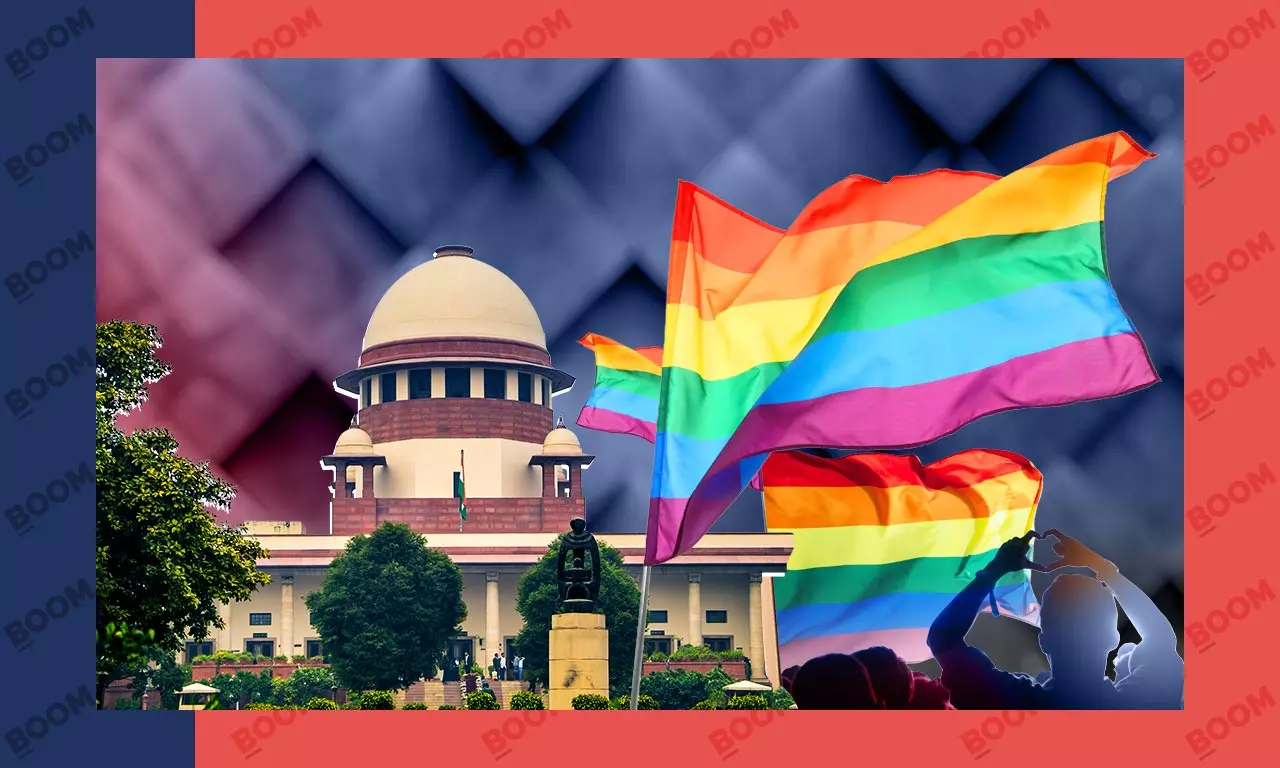
Steer Clear Of Personal Laws: Supreme Court On Same-Sex Marriage
- By Ritika Jain | 18 April 2023 5:22 PM IST
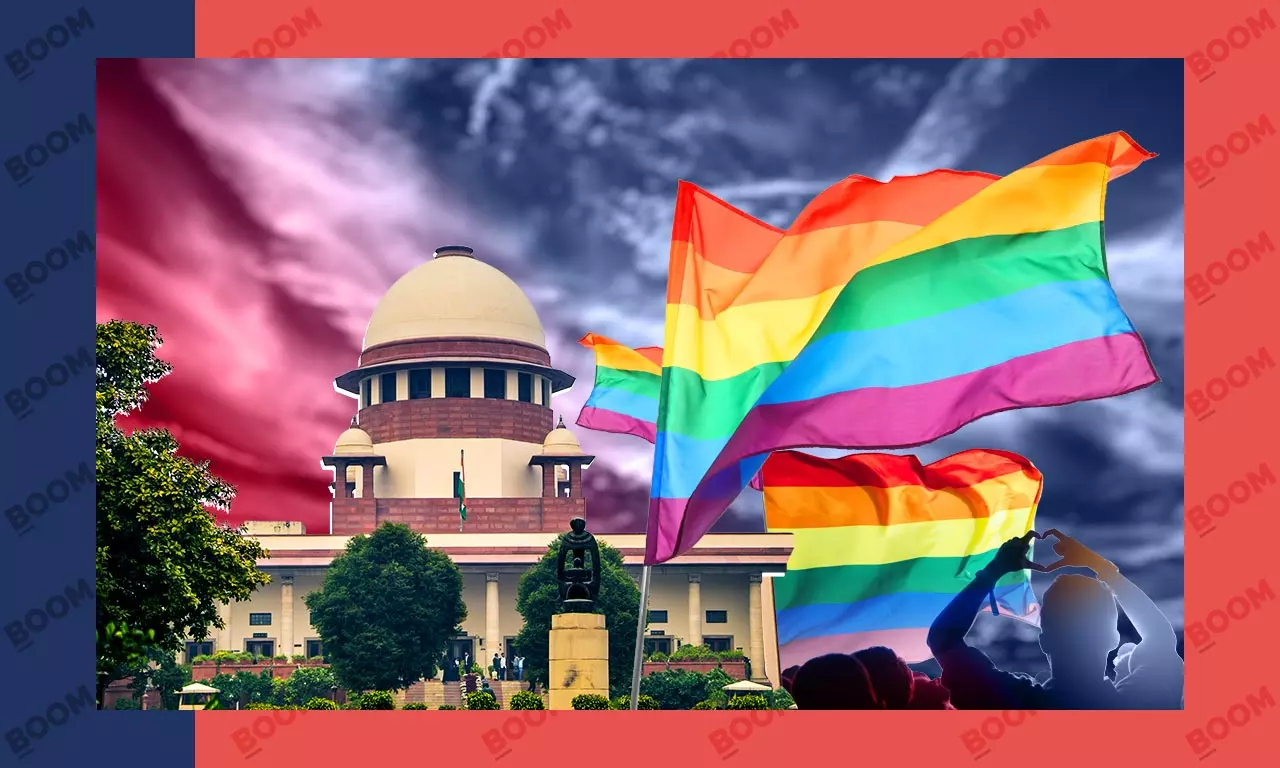
SC Begins Hearing Amid Strong Opposition To Same Sex Marriage
- By Ritika Jain | 18 April 2023 10:11 AM IST
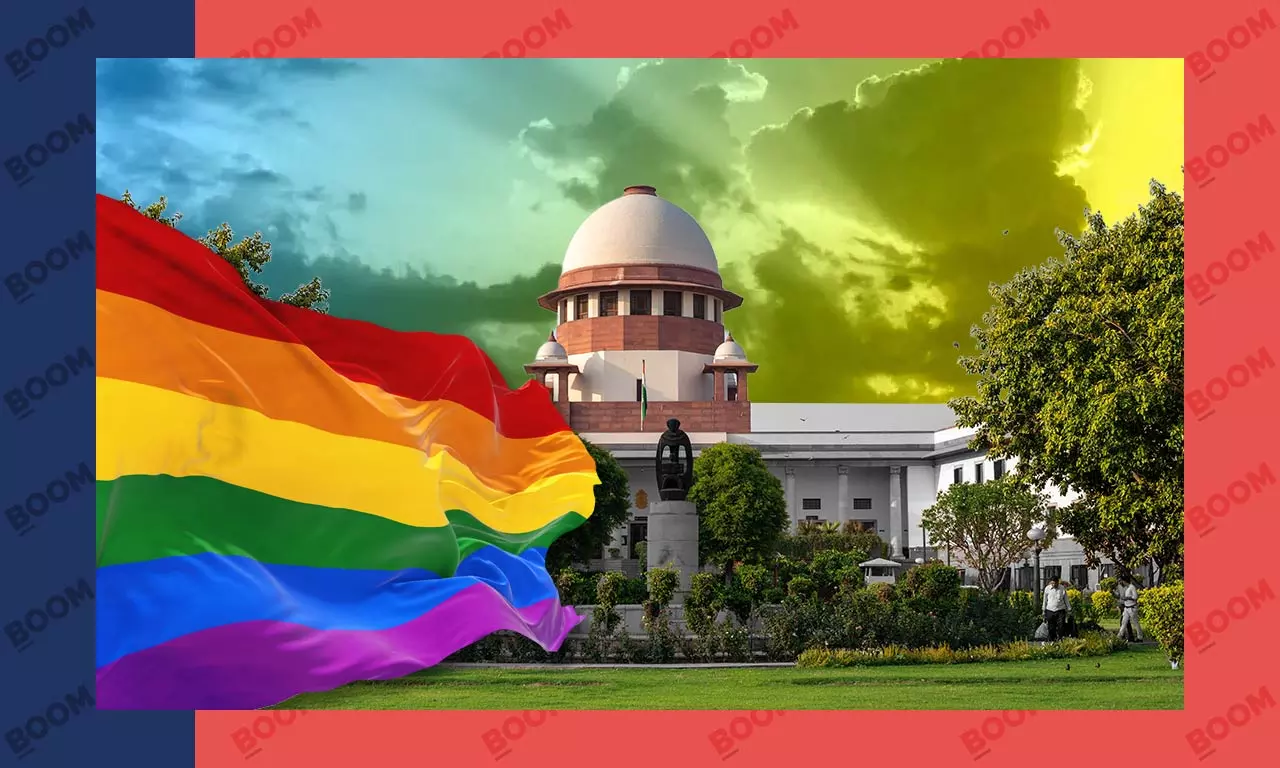
Supreme Court Constitution Bench To Hear Pleas On Same-Sex Marriage
- By Ritika Jain | 13 March 2023 4:38 PM IST
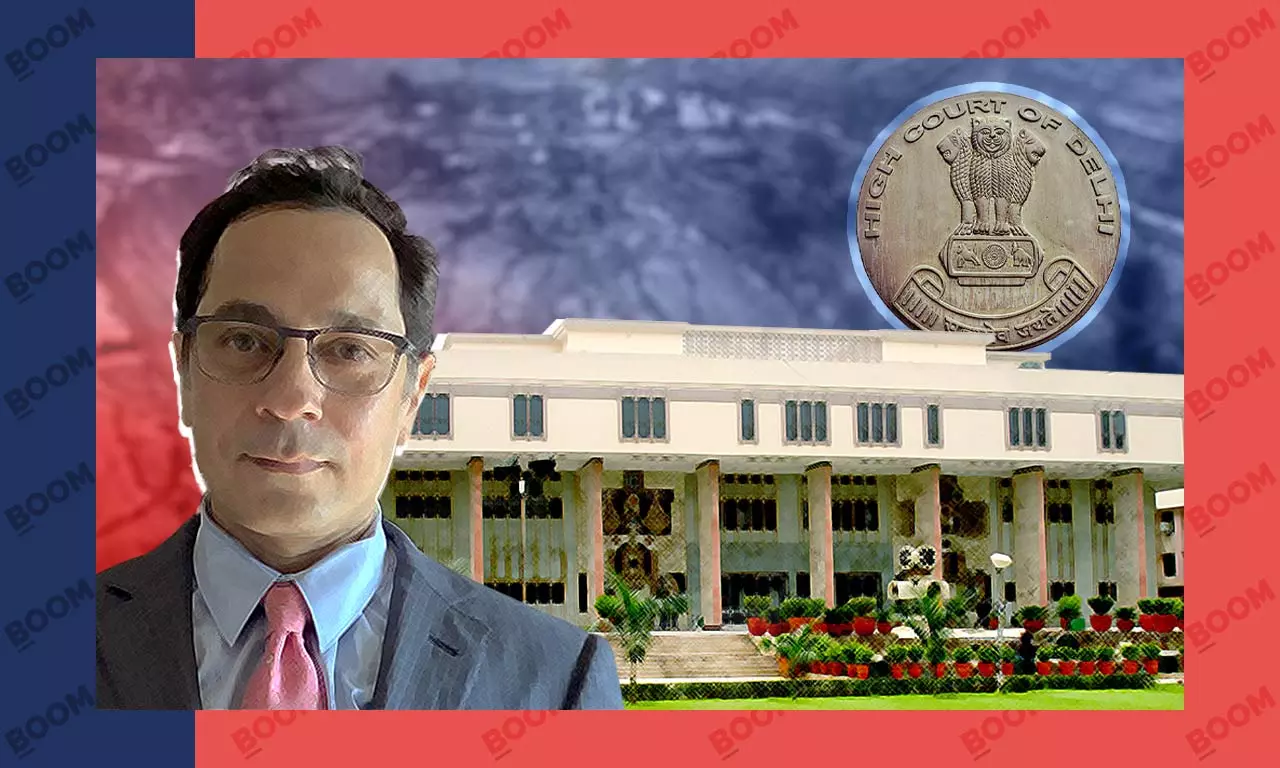
SC Collegium Bats For Gay Judge, Tells Centre Not A Reason to Say No
- By Ritika Jain | 19 Jan 2023 7:36 PM IST
